
This video take place at Nagasaki Biopark in Saikai, Japan where several animals eating watermelon.
Animals Featured w/ Fun Facts
Capybara (◕ᗜ◕)

Most known for their cuteness
Tortoise

Tortoises are ancient, long-living reptiles with two skeletons, a shell that can feel pain, and a variety of interesting abilities like holding their breath for long periods and smelling through their throats.
Buru Babirusa??
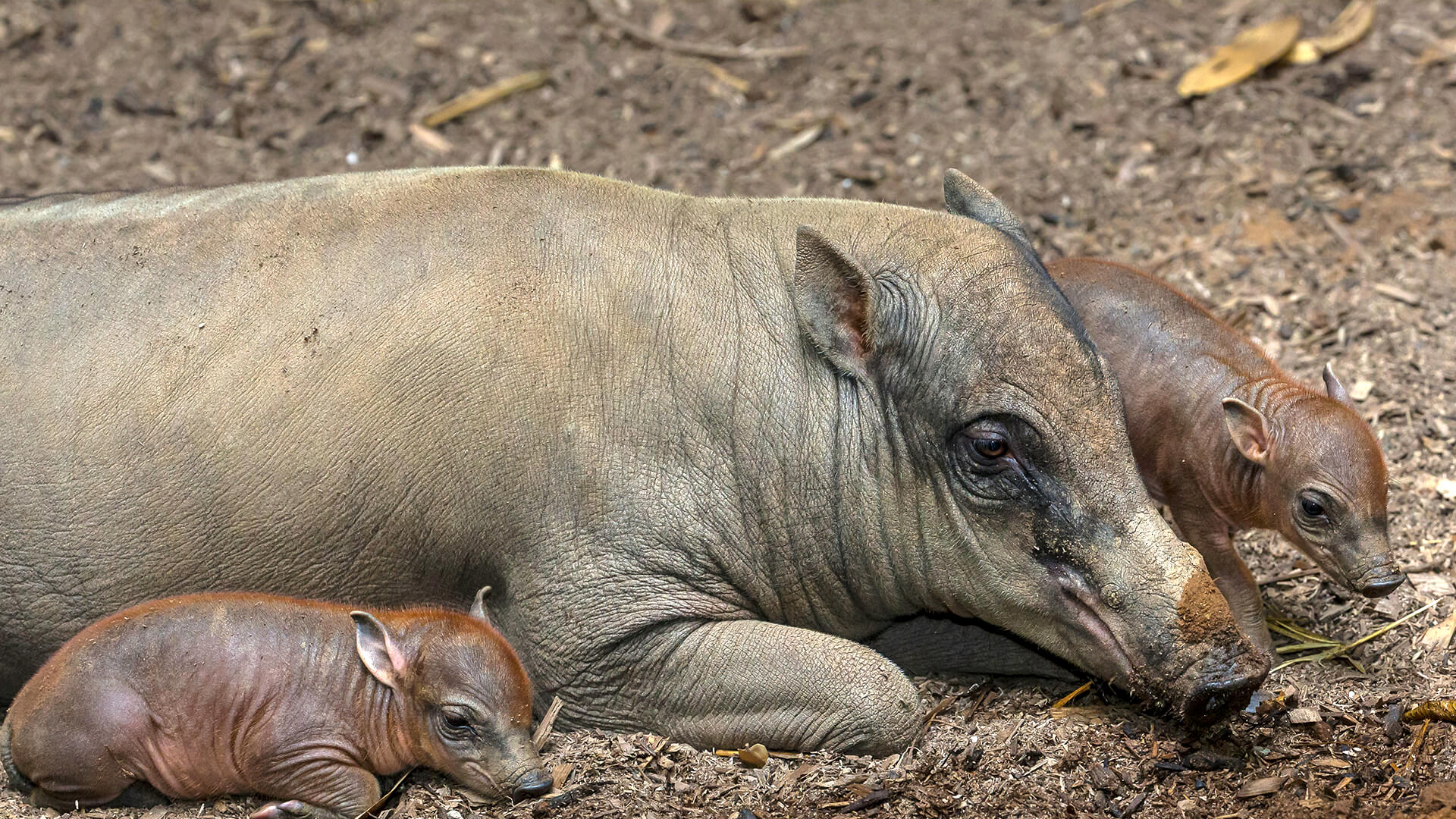
From San Deigo Zoo Wildlife Alliance: “The babirusa has been called “a wild pig with a dental problem.” They have remarkable tusks or canine teeth that can grow right up through the skin in their snout and curve back toward their forehead.”
Capuchin Monkey
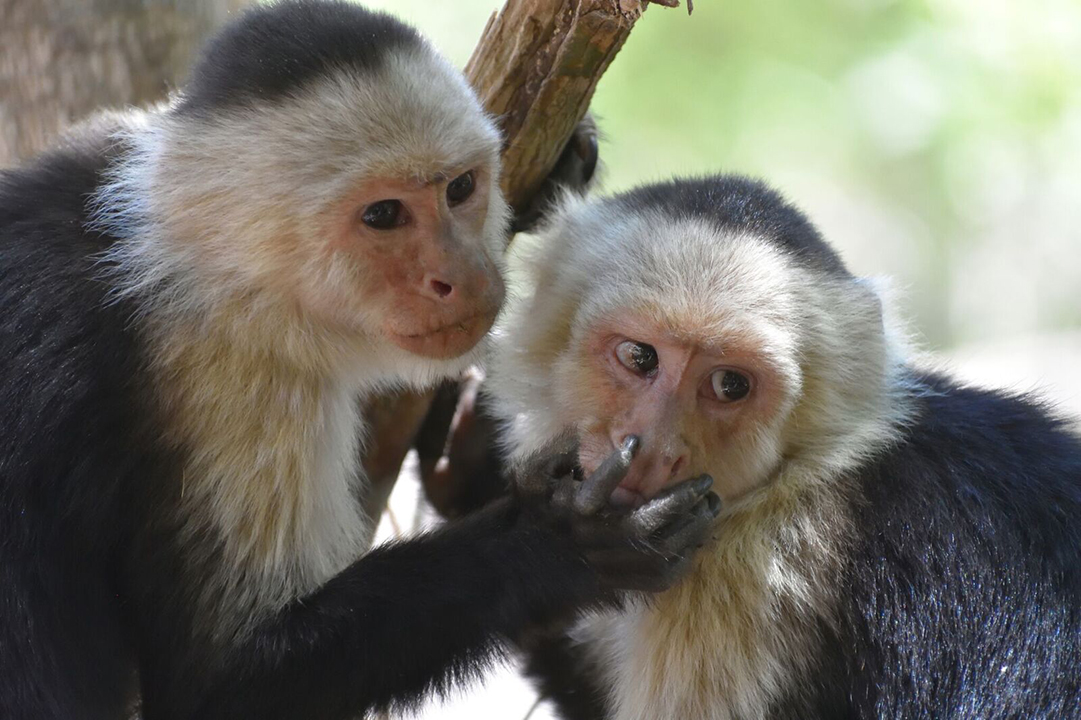
From Seethewild.org “The capuchin monkeys commonly known as ‘Nature’s Tool Experts’ belong to one of the most intelligent New World monkeys. These amazing animals owe their specific title to the colour and structure of their outer coverings, resembling the Capuchin monk robes. These are medium-sized monkeys with markedly rich facial movements and highly developed hands, making them the centre of attraction to researchers and wildlife enthusiasts.”
Mountain Tapir
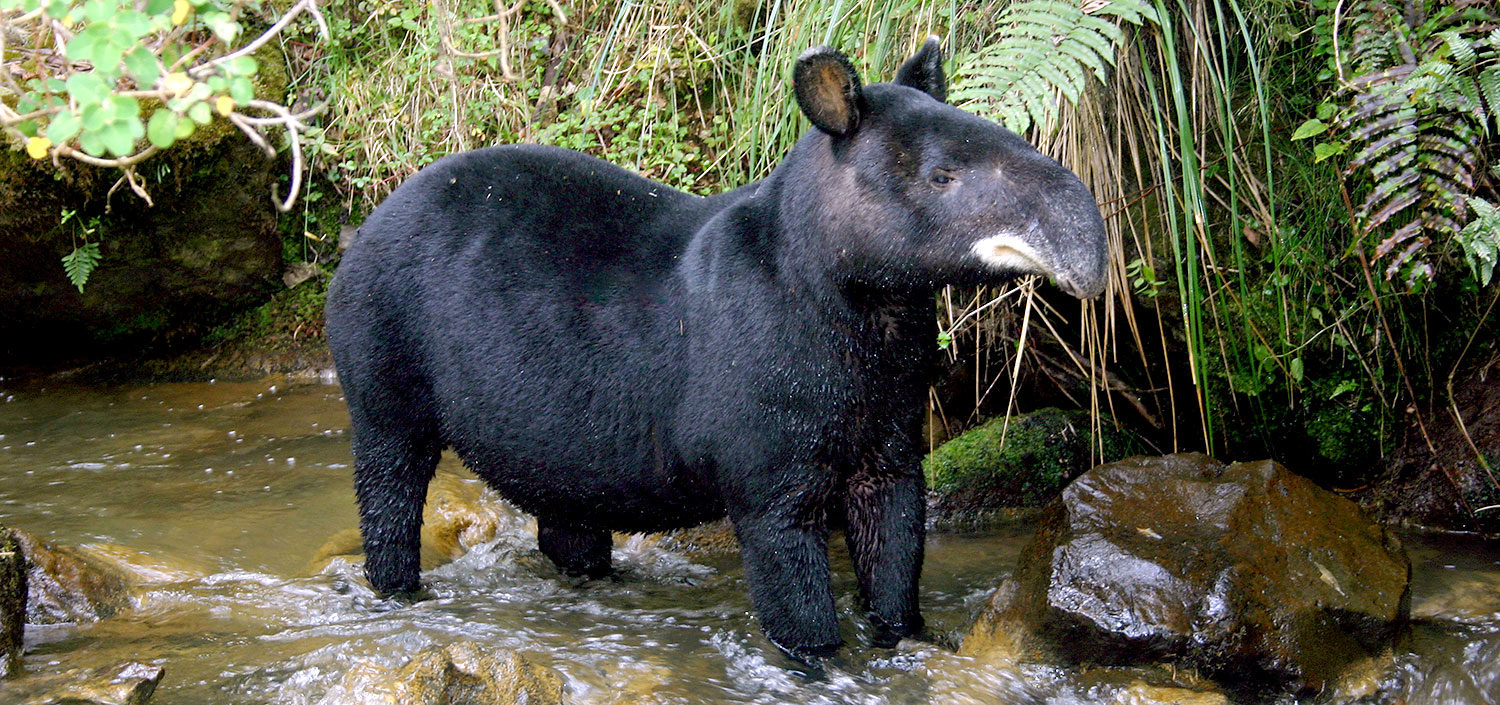

From World Animal Protection – “There are five species of tapir. The four most well-known species of tapir include the mountain tapir, Baird’s tapir, the lowland tapir, and the Malayan tapir.”

However, a new species of tapir, Tapirus kabomani, was recently “discovered”. Also known as the little black tapir or the kabomani tapir, this species was known to locals for years but was only recognised by scientists in 2013. Like the lowland tapir, this new species of tapir is found in the Amazon Rainforest.
Beaver
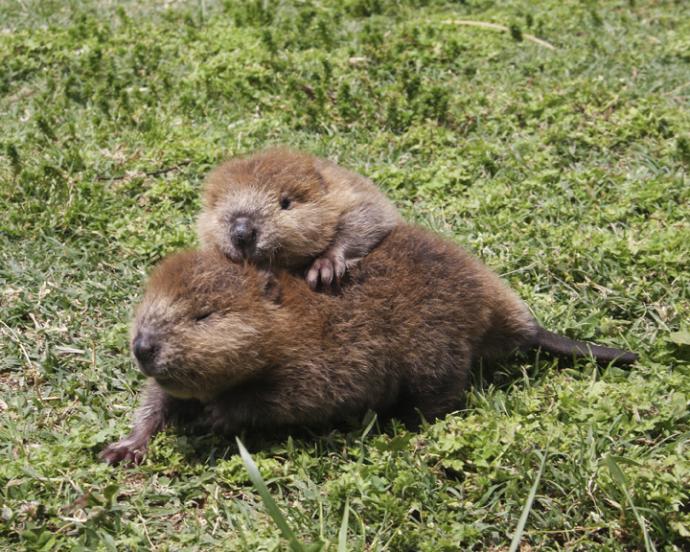
From Google.com “its orange teeth grow continuously and are very strong because of the iron in the enamel. Beavers are the second-largest rodents in the world and are known as “ecosystem engineers” for their dam-building skills, which create wetlands that benefit other species.”
Hippo

From pbs.org “Hippos typically feed on patches of short grass near water. However, at times, they need to travel several miles to find food. Their ears help them hear the sound of falling fruit, while their sense of smell helps them sniff out food.
On average, hippos eat about 88 pounds of food each night, which is about 1 to 1.5% of their body weight. This figure is small in comparison to other mammals. For example, the largest cattle eat 2.5 percent of their body weight each day. Hippos maintain their large figure through their sedentary lifestyle. They have a largely inactive lifestyle unless when eating, which helps them conserve energy.”