
Summary of Video Content: Traditional Punjabi Dhaba Breakfast in Sahiwal, Pakistan
The video documents a cultural and culinary exploration of a traditional Punjabi dhaba breakfast in Sahiwal, Pakistan, highlighting the city’s unique characteristics and the authentic food experience offered by local roadside eateries.
Key Context and Location Insights
- The Sahiwal breed of cattle, large and prized animals.
- Hosting one of Asia’s largest jails, historically known to have housed alleged Indian spies. The jail is heavily secured and hidden behind high walls.
- Sahiwal is described as an up-and-coming city with ongoing developments, yet the focus is on preserving and showcasing traditional culture rather than modernization.
Cultural and Environmental Setting
- The visit coincides with a special day in Pakistan celebrating Prophet Muhammad, marked by loudspeakers broadcasting throughout the city.
- The area around the dhaba is highly secured, with elite police and anti-terrorism forces visibly present. This culture is depicted as vibrant and authentic, with food prepared fresh and on-site in an energetic, bustling atmosphere. While family-run, roadside restaurant, contrasting with modern cafes and restaurants that are seen as less authentic and often serving processed food.
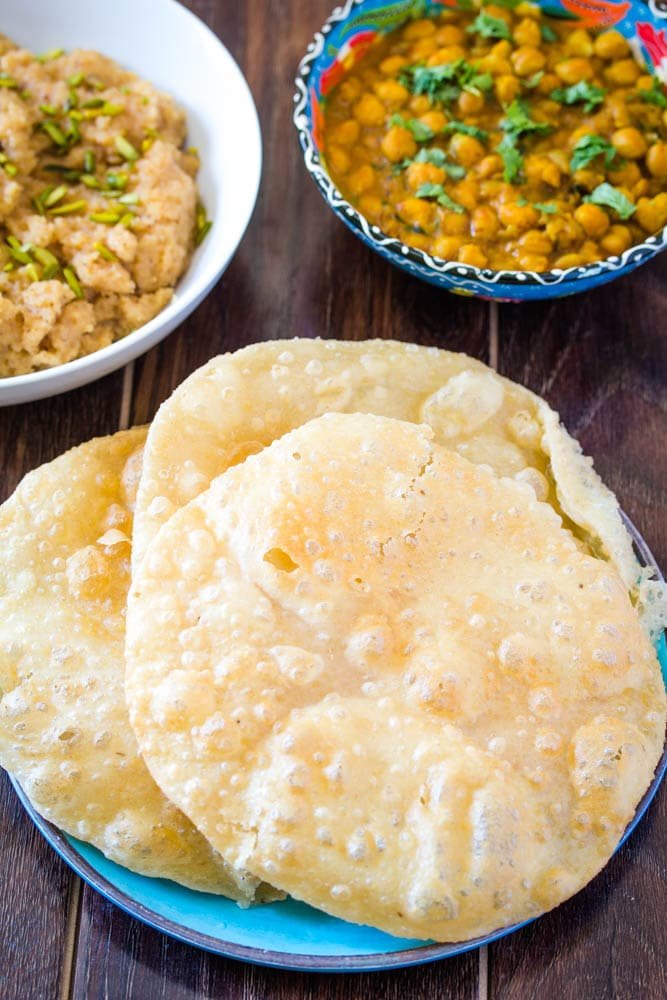
Food Items Featured and Descriptions
| Dish Name | Description | Key Ingredients & Notes |
|---|---|---|
| Halwa Puri | A traditional breakfast combination of deep-fried bread and sweet semolina halwa. | Puri (deep-fried bread), Halwa (semolina, sugar, cardamom) |
| Mitti Tikki (photo) | Fried halwa variant, cooked in a karahi with spices including cardamom. | Semolina, sugar, elaichi (cardamom), spices |
| Chane (Chickpeas) | Soft, richly cooked chickpeas served with paratha and a dollop of yoghurt on top. | Chickpeas, yoghurt, coriander, onions |
| Egg Paratha (photo) | Pan-fried bread with coriander, onions, and egg either inside or on top. | Paratha, egg, coriander, onions |
| Lassi (photo) | A traditional Punjabi yoghurt drink, though described as thinner than expected in this instance. | Yoghurt, cream (less thick than typical Punjabi lassi) |
Cultural Practices and Observations
- Seating arrangements: Men and women eat separately; female and family seating is in a different section, explaining the absence of women in the main eating area shown.
- Eating method: Halwa puri is traditionally eaten by using the puri bread to scoop up halwa and chickpeas, eaten with hands.
- The halwa is not overly sweet, making it suitable for breakfast, which is a contrast to many other Pakistani/Indian sweets that tend to be very sugary.
Key Insights on Dhaba Culture and Food Quality
- Freshness and authenticity: Food is handmade from scratch, cooked fresh in front of customers, with no processing involved.
- Dhaba vs. modern restaurants: Dhabas are highlighted as the true representation of local cuisine, offering higher quality and more genuine flavors than cafes or restaurants, which are often described as serving “processed rubbish.”
- Popularity and hygiene rationale: The host trusts the safety of the food because of the high turnover, the freshness of preparation, and serving food piping hot, which likely reduces bacterial risk.
- Oily food balance: The heavy, oily nature of the food is balanced somewhat by the lassi, which aids digestion despite being thinner than ideal.
Additional Notes
- The video host expresses a deep affection for goats, cows, and buffaloes, reflecting a personal connection to rural and traditional life in the region.
- The visit includes company from local friends, providing a social and communal eating atmosphere.
- The host plans to continue exploring cultural heritage with a tour of the Harappan civilization, linking food exploration to broader cultural experiences.
- Safety and health considerations are cautiously addressed but with confidence in the established food practices and environment.
Conclusion
This video really brings traditional Punjabi dhaba food in Sahiwal to life. You can feel how much roadside eateries matter to the culture, the homemade food, the buzz of the place, the people coming together. It’s nothing like the polished modern restaurants; the food’s fresh and real, served in big groups. Halwa Puri, Chane, and Paratha steal the show as classics everyone loves. Everything about the experience ties back to local traditions, the way people socialize, and even how they look out for each other.
Hope you learn something new today!