
Released in 1977 on the album Exodus, “Three Little Birds” has become one of Bob Marley’s most beloved and enduring songs. With its simple, uplifting refrain — “Don’t worry about a thing, ‘cause every little thing is gonna be all right” — the track captures Marley’s signature blend of reggae rhythm and spiritual optimism.
Although many listeners assume the “three little birds” are symbolic, Marley himself once said they were inspired by actual birds that often perched near his home in Jamaica, their morning songs reminding him of life’s simple joys. The song’s gentle, reassuring message resonated globally, becoming an anthem for hope and resilience.
Over the decades, “Three Little Birds” has been featured in films, commercials, and sports events, and it remains a universal reminder to stay calm in the face of life’s challenges. More than just a song, it’s a cultural touchstone that continues to spread peace and positivity long after Marley’s passing in 1981.
Political Context

When Bob Marley wrote and recorded Three Little Birds, Jamaica was in the middle of intense political turmoil.
The late 1970s saw violent clashes between supporters of the two main political parties — the People’s National Party (PNP) and the Jamaica Labour Party (JLP).
Tensions escalated to the point where street violence, armed gangs, and politically motivated shootings were common.
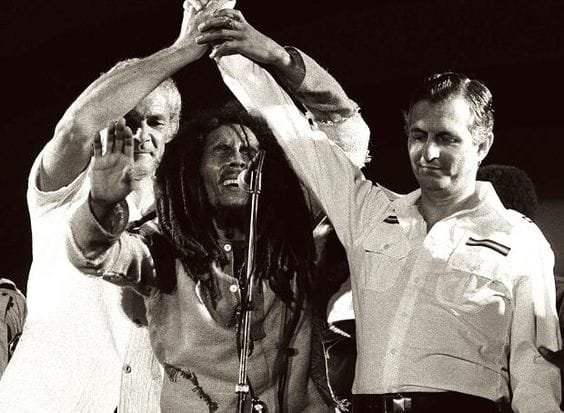
Marley himself became a symbolic figure of unity, which made him a target. In 1976, just before a scheduled “Smile Jamaica” peace concert, gunmen attacked Marley’s home, injuring him, his wife, and his manager.
Despite this, he performed two days later.
By the time Exodus (1977) was recorded in London, Marley was in self-imposed exile, reflecting on the chaos back home.
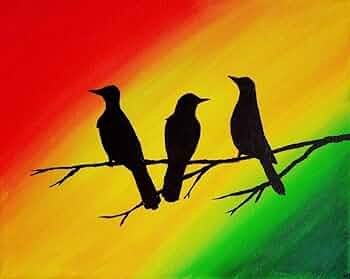
Three Little Birds’s calm, hopeful message contrasted sharply with the unrest in Jamaica — offering a peaceful vision that stood as a quiet but powerful form of resistance against fear and division.
Learn More About Jamaica 1970’s Violence
“Exodus” – A Spiritual and Political Statement
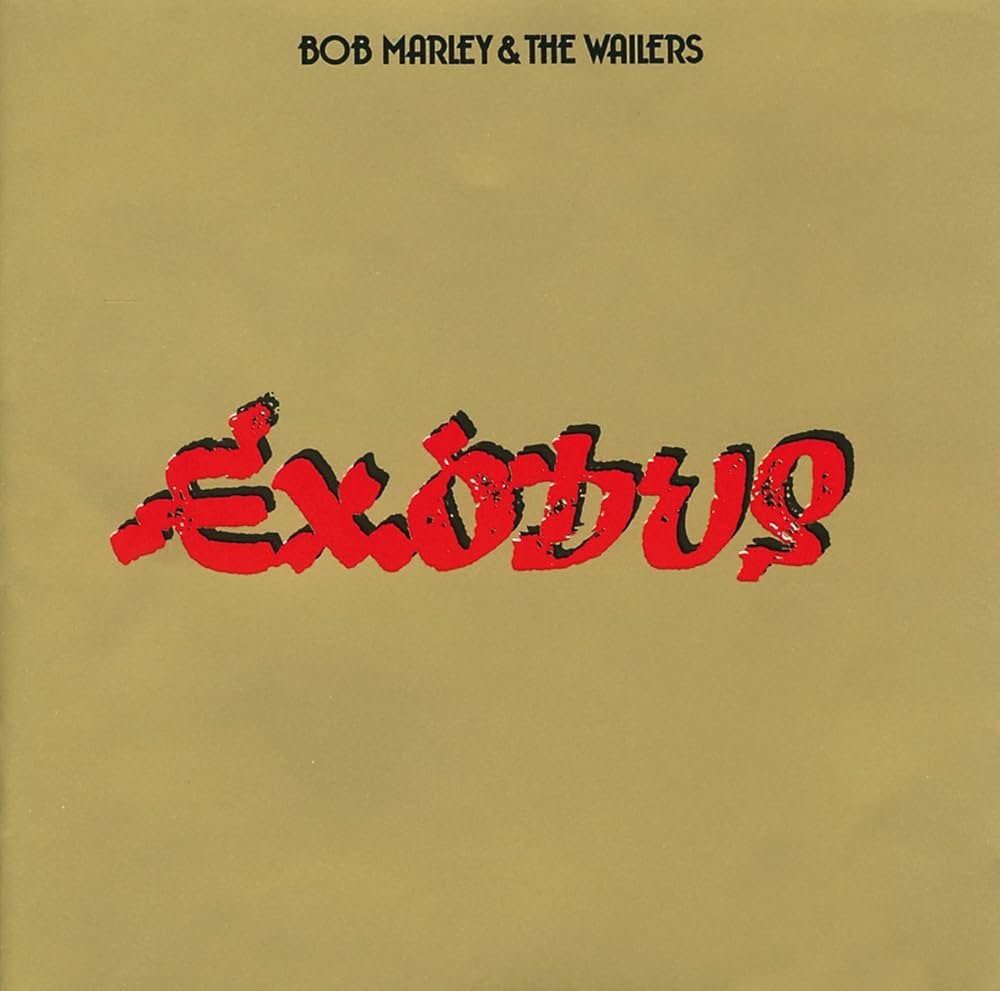
Bob Marley’s 1977 album Exodus, recorded in London during his exile from Jamaica, was shaped by the island’s political violence and his own near-assassination. While some tracks directly addressed movement, unity, and liberation — the title track “Exodus” being a call for people to unite and seek a better life — others, like “Three Little Birds,” embodied a quieter resistance.
By pairing politically charged songs with uplifting, spiritual ones, Marley created an album that balanced urgent social commentary with universal hope.
This duality helped Exodus transcend its immediate context.
For Jamaican listeners, it was a soundtrack of resilience in the face of chaos; for international audiences, it was a message that personal peace and political freedom were interconnected.
Over time, Exodus became one of Marley’s most celebrated works, even being named Album of the Century by Time magazine in 1999.
“Three Little Birds,” nestled within it, proved that optimism itself can be a form of protest — especially when sung during an era of fear.